



Windows Rds Vdi

Use Remote Desktop on your Windows, Android, or iOS device to connect to a Windows 10 PC from afar.
Windows Remote Desktop Services
Set up the PC you want to connect to so it allows remote connections:
Make sure you have Windows 10 Pro. To check, go to Start > Settings > System > About and look for Edition. For info on how to get it, go to Upgrade Windows 10 Home to Windows 10 Pro.
When you're ready, select Start > Settings > System > Remote Desktop, and turn on Enable Remote Desktop.
Make note of the name of this PC under How to connect to this PC. You'll need this later.
Use Remote Desktop to connect to the PC you set up:
On your local Windows 10 PC: In the search box on the taskbar, type Remote Desktop Connection, and then select Remote Desktop Connection. In Remote Desktop Connection, type the name of the PC you want to connect to (from Step 1), and then select Connect.
On your Windows, Android, or iOS device: Open the Remote Desktop app (available for free from Microsoft Store, Google Play, and the Mac App Store), and add the name of the PC that you want to connect to (from Step 1). Select the remote PC name that you added, and then wait for the connection to complete.
Windows Remote Desktop
Windows Rds Mfa
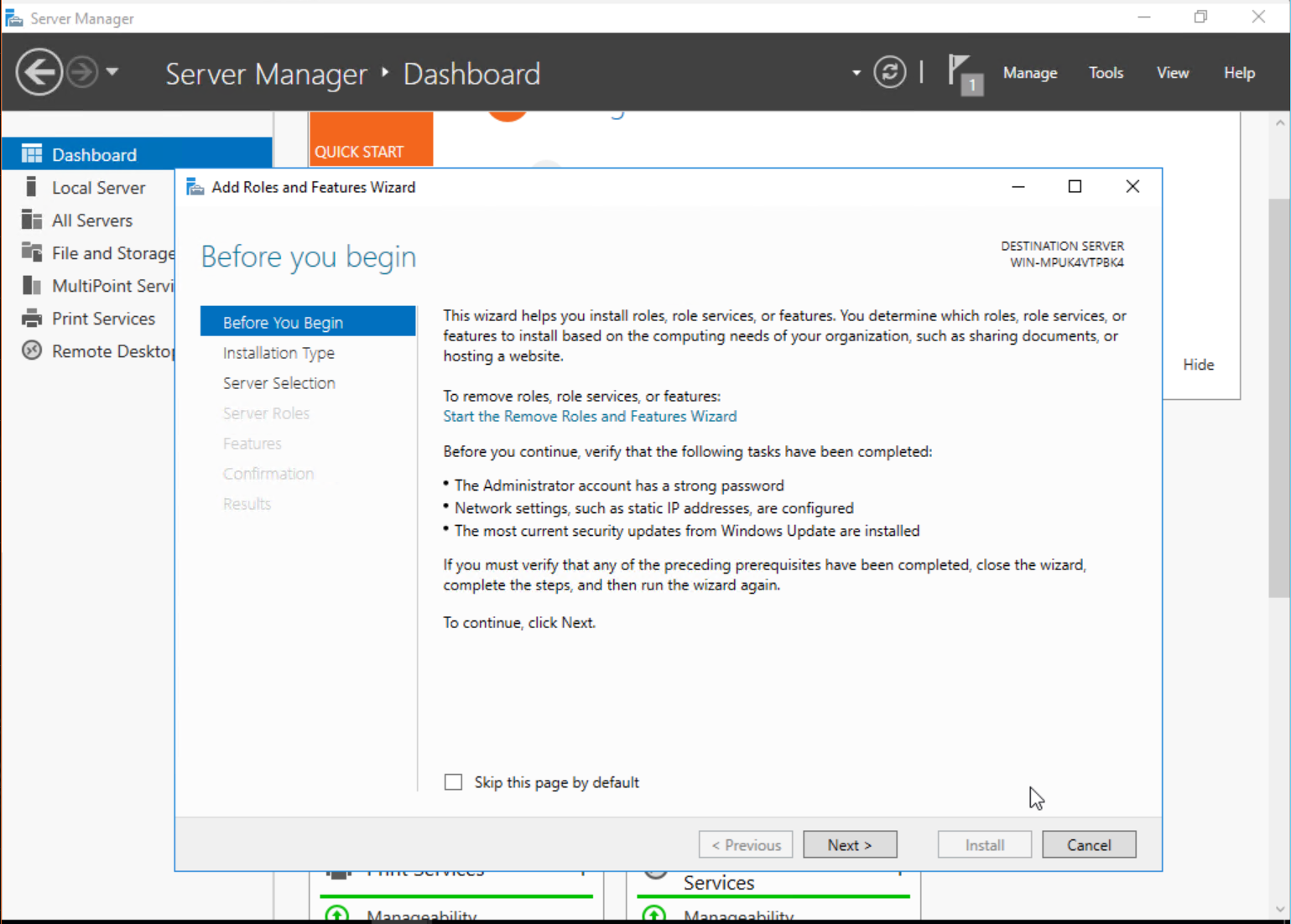
A step by step guide to build a Windows Server 2019 Remote Desktop Services deployment. I posted this before based on Windows Server 2012 R2 RDS and thought it was high time to update this post to a more modern OS version. I will provide all the steps necessary for deploying a single server solution using the GUI tools. After a license server is activated, you can install Remote Desktop Services client access licenses (RDS CALs). RDS CALs are installed through Microsoft from the Remote Desktop Licensing Manager tool. The RDS CALs are stored and tracked on the license server on which they were installed. Remote Desktop Services (RDS) is the platform of choice for building virtualization solutions for every end customer need, including delivering individual virtualized applications, providing secure mobile and remote desktop access, and providing end users the ability to run their applications and desktops from the cloud. How to activate the Windows Remote Desktop Service (RDS) Role When is the RDS role needed? The default server setting is RDP Admin mode, which allows single sessions with the appropriate privileges. If there is only one user, then additional RDS (Remote Desktop Service) licenses are not required. VDI stands for Virtual Desktop Infrastructure and RDS stands for Remote Desktop Session Hosts. What this really means is VDI is built around the Windows Client Operating System, Windows 10. RDS is built around the Windows Server Operating System. At this point you are thinking, of course I want my users on Windows 10, not Windows Server.