



Check your annotations to be sure that they make sense to you. Go on to the next section or paragraph. Remember, not every paragraph will have a key concept that should be annotated, but every page or section usually does. How can you study based on this system? Read your annotations. Ask yourself the following.
Annotations Guide
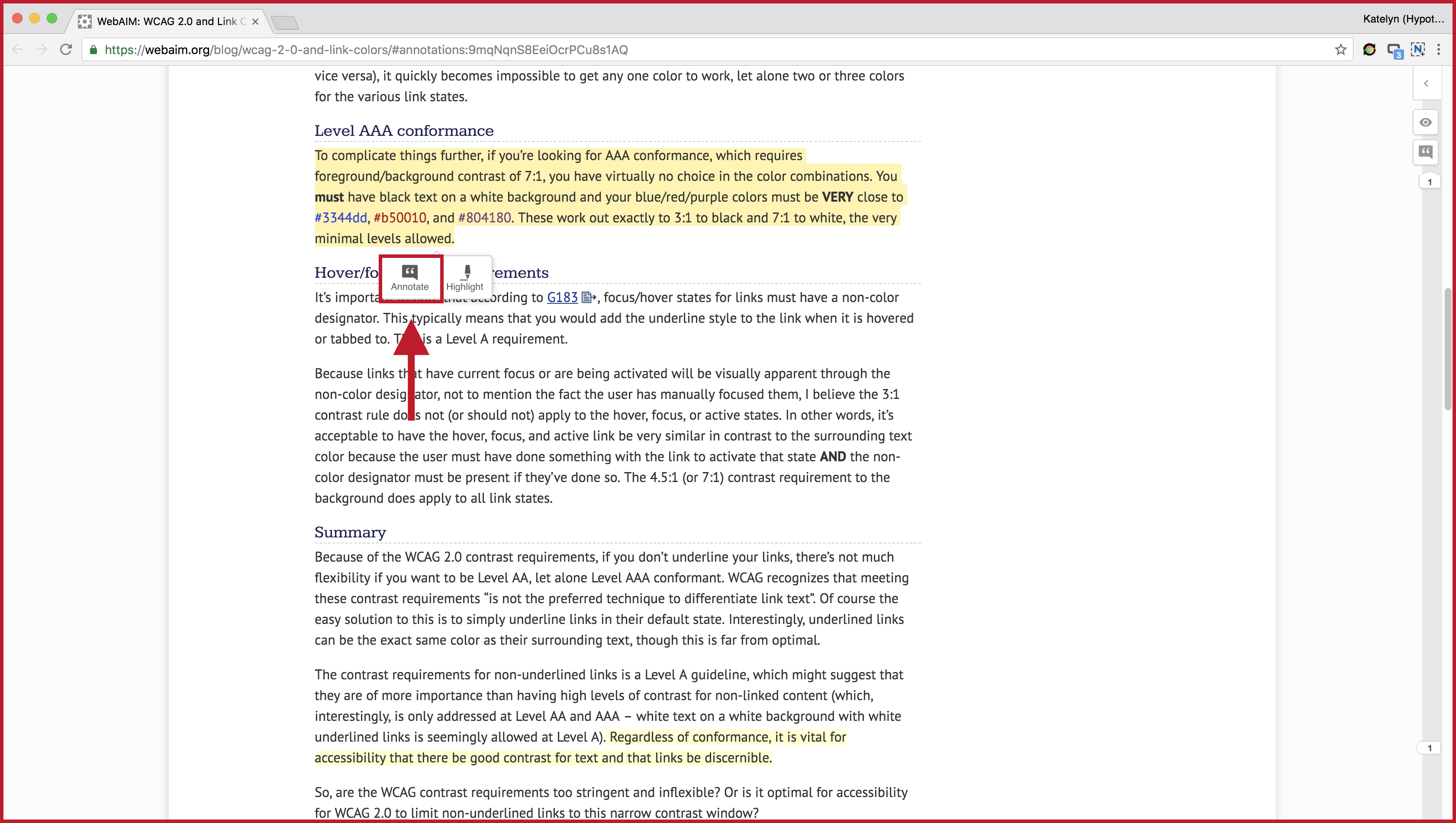
Annotations

Rough Notation provides a way to order the animation of annotations by creating an annotation-group. Pass the list of annotations to create a group. When show is called on the group, the annotations are animated in order. An annotation is a note or comment added to a text to provide explanation or criticism about a particular part of it. Annotation can also refer to the act of annotating —adding annotations. Annotations are.
Annotatings
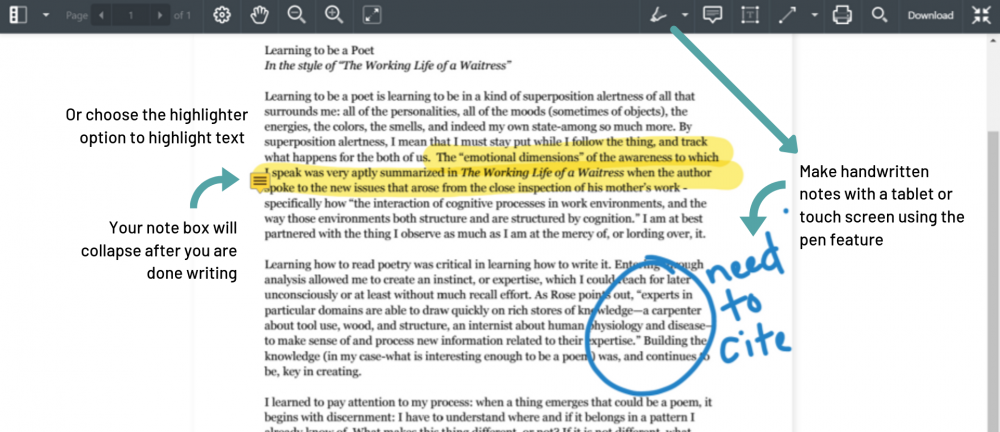
What is Annotating?
Annotating is any action that deliberately interacts with a text to enhance the reader's understanding of, recall of, and reaction to the text. Sometimes called 'close reading,' annotating usually involves highlighting or underlining key pieces of text and making notes in the margins of the text. This page will introduce you to several effective strategies for annotating a text that will help you get the most out of your reading.
Why Annotate?
By annotating a text, you will ensure that you understand what is happening in a text after you've read it. As you annotate, you should note the author's main points, shifts in the message or perspective of the text, key areas of focus, and your own thoughts as you read. However, annotating isn't just for people who feel challenged when reading academic texts. Even if you regularly understand and remember what you read, annotating will help you summarize a text, highlight important pieces of information, and ultimately prepare yourself for discussion and writing prompts that your instructor may give you. Annotating means you are doing the hard work while you read, allowing you to reference your previous work and have a clear jumping-off point for future work.