



Published on 12 Mar 2019 · Filed in Tutorial · 620 words (estimated 3 minutes to read)
- Vpnc Windows 10 Pro
- Vpnc
- Vpn Windows 10 Free
- Vpnc Windows 10 64-bit
- Vpnc Windows 10 Download
- Vpnc Windows 10 Pro
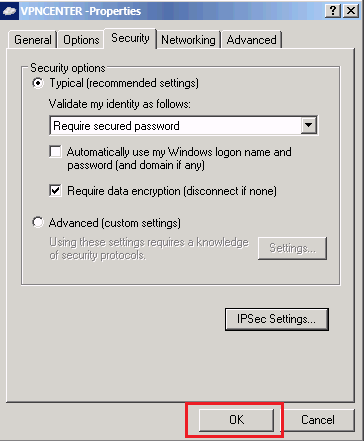
Users who just upgraded to Windows 10 from an earlier Windows version, will need to first uninstall their SonicWALL VPN Client & Cisco VPN client, then proceed with the instructions below. Download and install the SonicWALL Global VPN Client from Firewall.cx’s Cisco Tools & Applications section.
vpnc is a fairly well-known VPN connectivity package available for most Linux distributions. Although the vpnc web site describes it as a client for the Cisco VPN Concentrator, it works with a wide variety of IPSec VPN solutions. I’m using it to connect to a Palo Alto Networks-based solution, for example. In this post, I’d like to share how to set up split tunneling for vpnc.
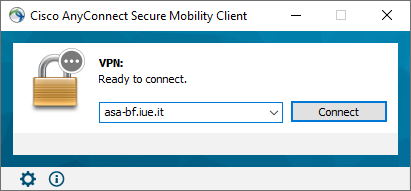
An Easiest way to become Anonymous.VPNBOOK: Facebook: #vpn #windows10 #anonoymousInstagram. There are nine alternatives to VPNC Front End for a variety of platforms, including Linux, Mac, Windows, Android and iPhone. The best alternative is OpenVPN, which is both free and Open Source. Other great apps like VPNC Front End are WireGuard (Free, Open Source), sshuttle (Free, Open Source), OpenConnect GUI (Free, Open Source). After Windows 10 Service Pack/updates, your VPN software stopped working! The Windows 10 update may have partially removed components of the VPN client. So the trick is as follows: Step 1: Uninstall the VPN client using the “Programs and Features”, choose the VPN client software, click uninstall. Installing vpnc. First, we need to install the vpnc client using the package manager for our operating system. Here are a few examples: Red Hat / CentOS # yum install vpnc. Debian / Ubuntu. For Ubuntu you should prefix the command with 'sudo' to execute it as root. # apt-get install vpnc. OS X with MacPorts. Sudo port install vpnc +hybrid.
Split tunneling, as explained in this Wikipedia article, allows remote users to access corporate resources over the VPN while still accessing non-corporate resources directly (as opposed to having all traffic routed across the VPN connection). Among other things, split tunneling allows users to access things on their home LAN—like printers—while still having access to corporate resources. For users who work 100% remotely, this can make daily operations much easier.
vpnc does support split tunneling, but setting it up doesn’t seem to be very well documented. I’m publishing this post in an effort to help spread infomation on how it can be done.
Vpnc Windows 10 Pro
First, go ahead and create a configuration file for vpnc. For example, here’s a fictional configuration file:
All this information, naturally, has to reflect the correct configuration for your particular VPN setup. This is all reasonably well-documented on various vpnc tutorials. If you stop here, you’ll have a “regular” vpnc connection that will route all traffic across the VPN.
To do split tunneling, add this line at the end of your configuration file:
You can use whatever filename you want there (and put it wherever you want in the file system, although I prefer keeping it in /etc/vpnc). In the file you specified, add these contents:
The CISCO_SPLIT_INC value specifies how many networks are going to be configured to route across the VPN. In this example, there is only a single network being routed across the VPN. That network is provided by the CISCO_SPLIT_INC_0_ADDR, CISCO_SPLIT_INC_0_MASK, and CISCO_SPLIT_INC_0_MASKLEN entries, and in this case equates to 10.0.0.0/8.
Vpnc
If you have multiple/non-contiguous networks, then specify how many networks on the CISCO_SPLIT_INC line, and then repeat the lines above for each network, incrementing the number for each section. For two non-contiguous networks, you’d have a series of CISCO_SPLIT_INC_0_* lines (for the first network) followed by a set of CISCO_SPLIT_INC_1_* lines (for the second network).
The last line is important—this ties back to the script that comes packaged with vpnc to set up all the routing and such, as modified/directed by the values specified in your custom script. This allows you to customize the behavior of split tunneling on a per-connection basis.

Once you have your custom script in place, you can connect using sudo vpnc /etc/vpnc/config.conf (as normal). Once the connection is up, you can use ip route list to see that only the specified networks are being routed across the VPN. All other traffic still uses your local gateway.
Note that this solution does not address custom DNS resolver configurations. If you need to be able to resolve corporate hostnames and a DNS domain on your home LAN, additional steps are needed. I’ll try to document those soon (once I’ve had a chance to do some additional testing).
Find me on Twitter if you have questions, comments, suggestions, or corrections. Thanks!
Update 4 Feb 2021: For systems running resolvectl or the equivalent, I’ve found that adding CISCO_SPLIT_DNS=domain1.com,domain2.com,domain3.com to the custom script will configure the DNS search domains for that connection, which may help address situations where you need to resolve both local hostnames on your LAN as well as corporate hostnames.
Vpn Windows 10 Free
Metadata and Navigation
Vpnc Windows 10 64-bit
Be social and share this post!
Vpnc Windows 10 Download
Related Posts
Vpnc Windows 10 Pro
- Thinking Out Loud: DIY Network Virtualization?30 Aug 2013
- Technology Short Take 9827 Apr 2018
- Technology Short Take 8722 Sep 2017